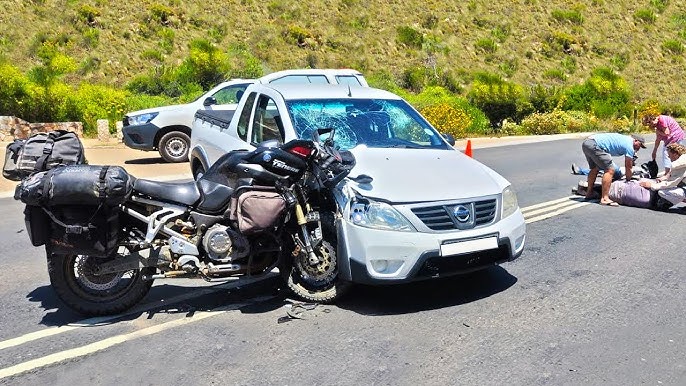
A motorcycle crash can turn an ordinary day into chaos in seconds. You’re exposed, vulnerable, and often injured — while traffic, noise, and confusion swirl around you. Many riders later say they weren’t sure what to do after a motorcycle accident in Snellville, even though every decision made in those first minutes mattered.
This guide explains the steps to take after a motorcycle accident, from the moment of impact through medical care, insurance issues, and legal considerations. Whether your crash occurred at a busy intersection or on a quiet local road, understanding how to respond after a motorcycle accident in Snellville can help protect your health, rights, and future. This is general information, not legal advice, designed to help you make informed choices.
Table of Contents
Stay Safe and Check for Injuries First
Your priority is safety, yours and everyone else’s. When you can, make sure that you get yourself out of active traffic and danger. Switch off your motorcycle when it is safe to do so and find a safe place somewhere near.
Do a cursory check on injuries; bear in mind that shock and adrenaline may conceal pain. What seems trivial at one time is not necessarily serious. In case of any suspicion of head, neck, or spinal injury, do not remove your helmet unless advised by a medical professional to do so.
It is also important to understand what to do after a motorcycle accident with injuries, since even simple cases at a low speed may result in fractures, internal bleeding, or brain injuries. These are some steps to take after a motorcycle accident, and taking immediate action or symptoms without rushing may complicate the injuries.
Call 911 and Report the Motorcycle Accident
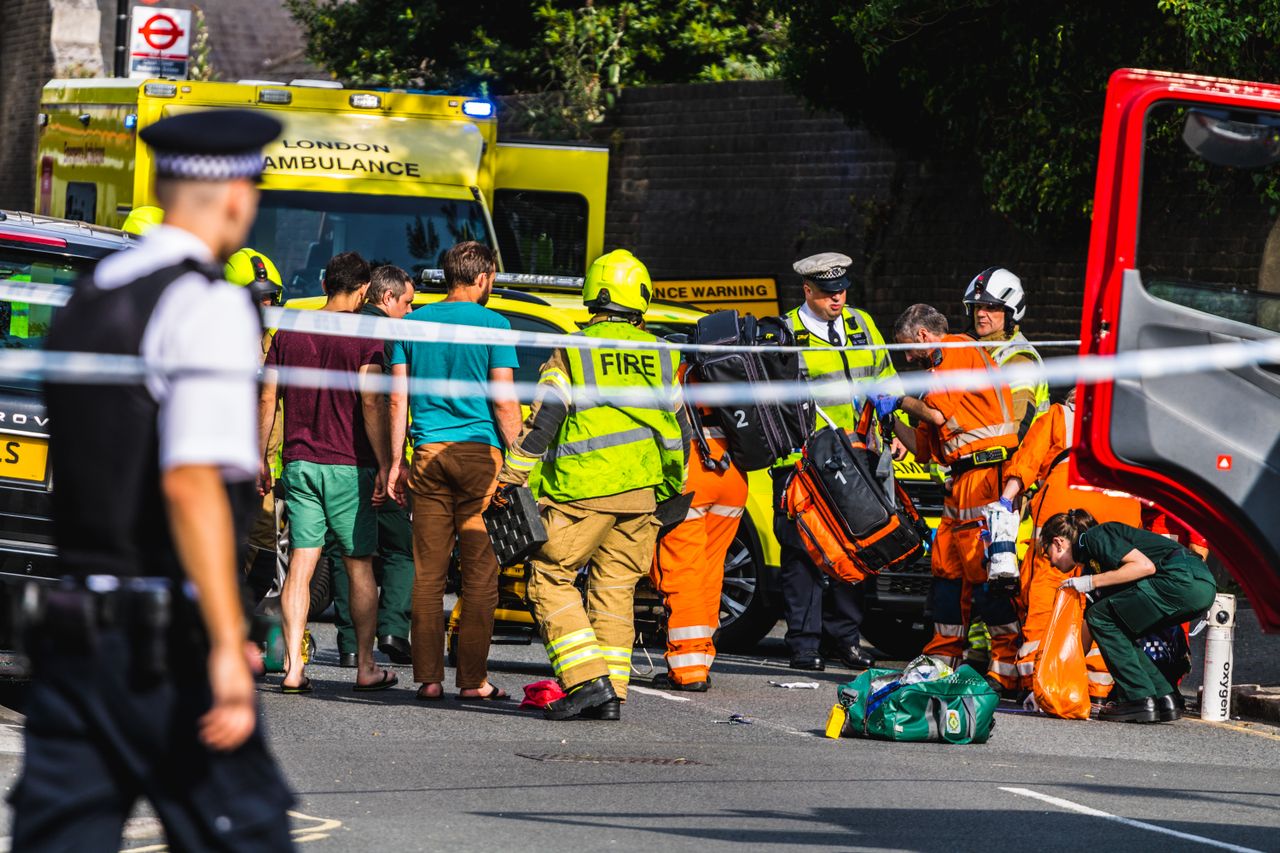
In Georgia, including Snellville, calling 911 is strongly recommended after a motorcycle crash, especially if anyone is hurt, traffic is blocked, or property damage appears significant. Emergency responders can secure the scene, provide medical care, and begin an official investigation.
Reporting a motorcycle accident in Georgia creates a formal record of what happened. The responding officer will generate a motorcycle accident police report, which insurance companies rely on heavily when reviewing claims. This documentation often becomes essential if you later need to file a motorcycle accident insurance claim or clarify fault.
Stay at the Scene and Avoid Admitting Fault
And unless emergency medical attention necessitates urgent transportation, you must stay on at the location until the police give the all-clear. Avoiding the case of injury crash can be a grave legal implication.
Wait and be co-operative, polite – but take care. Do not apologize or say things that sound as if you are taking blame. The simplest remark, like I did not see them may later be misinterpreted. Georgia has an insurance system that is fault-based,d and roadside statements are frequently used against injured riders by the insurance companies.
What not to do after a motorcycle accident is sometimes as important as what to do. A responsibility should be decided by evidence, eyewitness testimonies, and official statements, rather than by impromptu commentaries in a state of agitation.
Gather Evidence at the Scene (If You Can Safely)
If you are physically able and it’s safe, start collecting evidence before vehicles are moved and conditions change. Use your phone to take photos or videos of:
- All vehicles involved, including your motorcycle
- Skid marks, debris, and damage patterns
- Road conditions, signage, traffic signals, and weather
- Any visible injuries
Also note the time, exact location, nearby Snellville landmarks, and whether traffic or security cameras may have captured the crash. This is a key part of documenting a motorcycle accident, and it can make a major difference later.
These actions are central to what to do at the scene of a motorcycle accident, especially when fault is disputed. If you want to learn more about proving liability, see how to prove you are not at fault after a crash in Georgia.
Exchange Information With Drivers and Witnesses
You will also need to pass minimum information to all involved. This includes:
- Names, contact numbers, and addresses.
- Driver’s license numbers
- License plate numbers
- Policy names and policy numbers of insurance companies.
In case someone saw the accident, also request them to provide their contacts. Testimonies are generally a significant factor in the process of insurance audits or conflicts.
Remain composed and polite and avoid faulting at the scene. One of the most practical steps to take after a motorcycle accident is the collection of correct information, and it is much more productive than discussing the blame on the roadside.
Get Immediate Medical Attention — Even If You Feel Fine
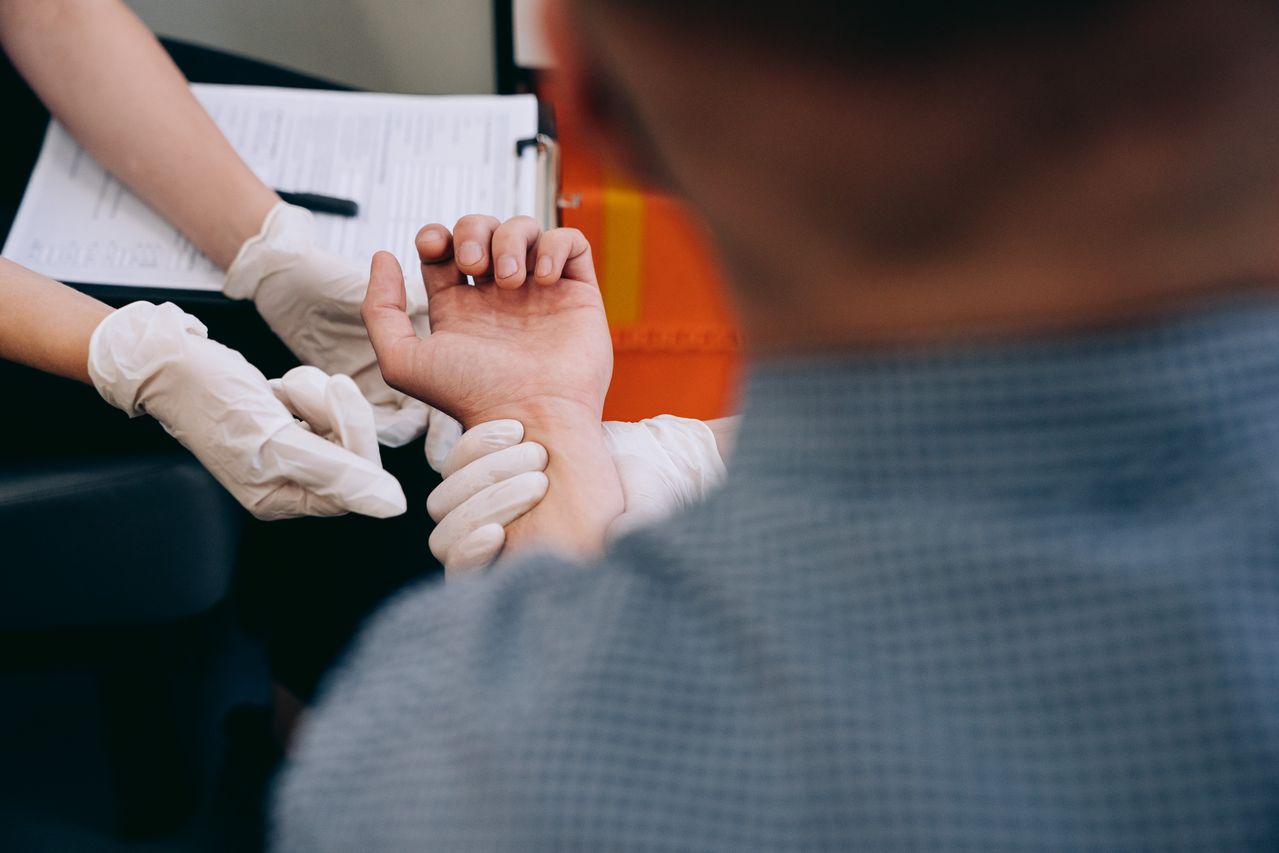
Many serious motorcycle injuries don’t show symptoms right away. Brain injuries, internal bleeding, and soft-tissue damage can take hours or even days to appear. That’s why seeking medical care promptly is essential even if you think you’re okay.
Go to the emergency room or urgent care, follow your doctor’s recommendations, and be honest about every symptom, no matter how small. Medical records help diagnose common motorcycle accident injuries and create a clear link between your injuries and the crash.
If you’re unsure what to do after a motorcycle accident with injuries, remember this: early medical care protects both your health and any future claim.
Notify Your Insurance Company — Carefully
In the vast majority of insurance policies, you are obliged to report an accident in time. In doing so, keep it simple with the following facts: date, time, place, vehicles, and presence of police. Do not guess about the fault or minimise injuries.
Watch out particularly when contacted by the insurer of the other driver. On one hand, it is not a requirement that you provide a recorded statement without having been advised, and it is quite damaging to your motorcycle accident insurance claim to do so prematurely.
To learn more about how to counter adjusters at the local level, have a glimpse of how to handle insurance companies after an accident in Snellville.
Keep Detailed Records After the Crash
Once you leave the scene, your responsibility doesn’t end. Keep organized records of everything related to the crash, including:
- Medical visits, diagnoses, medications, and therapy
- Time missed from work and lost income
- Repair estimates and out-of-pocket expenses
- Daily pain levels and emotional effects
Continuing to document a motorcycle accident helps show the full impact of your injuries. This is also part of what to do after a motorcycle accident when thinking long-term.
Understand Georgia Deadlines and Your Legal Rights
Georgia law limits how long you have to pursue compensation after a crash. These deadlines, called statutes of limitations, generally allow only a few years to file a claim or lawsuit, though exceptions may apply.
After a serious crash, acting sooner can help preserve evidence, locate witnesses, and avoid procedural issues. Understanding what to do after a motorcycle accident in Georgia includes knowing that delays can weaken your position.
When Should You Call a Motorcycle Accident Attorney?
Some crashes are straightforward, but others raise complex issues. You may want legal guidance if you suffered serious injuries, fault is disputed, multiple vehicles were involved, or the driver fled the scene. Pressure to settle quickly is another warning sign.
Understanding when to call a motorcycle accident attorney doesn’t mean you’re committing to a lawsuit. Many people simply want clarity on their rights. If you’re wondering, do I need a motorcycle accident lawyer, a short consultation can help you evaluate options.
If you were hurt in a crash and want local insight, you may want to speak with a motorcycle accident lawyer in Snellville about your situation.
Common Mistakes to Avoid After a Motorcycle Accident in Snellville
After a crash, small mistakes can create big problems. Common missteps include:
- Leaving the scene too early
- Failing to call 911
- Delaying medical care
- Admitting fault or apologizing
- Posting details on social media
- Accepting a quick settlement
- Signing documents without understanding them
Each of these can affect your health or weaken your claim after a motorcycle accident in Snellville. Knowing what not to do after a motorcycle accident can help you avoid unnecessary setbacks.
FAQs: What to Do After a Motorcycle Accident in Snellville
Do I Have to Call the Police After a Motorcycle Accident in Snellville?
Yes, in the greatest majority of injuries or damages. Police reports are an objective account and may be necessary for insurance. The list of what to do in the case of a motorcycle accident in Snellville always contains the point of calling 911.
What if I were hit by a Driver Who Left the Scene?
A hit-and-run is frightening, but steps still matter. Call the police immediately, gather any details you can, and notify your insurer. Understanding what to do after a hit-and-run motorcycle accident can help protect your rights.
What if I Feel Fine After the Crash?
Delayed symptoms are common. Even if you feel okay, seek medical care. This applies whether you’re deciding what to do after a motorcycle crash in Snellville or handling a minor incident.
How Soon Should I Tell My Insurance Company?
Most policies require prompt notice. Report basic facts, but be careful about details. This applies whether you’re dealing with what to do after a motorcycle wreck in Snellville or a more serious injury claim.
Can I Handle a Motorcycle Accident Claim on My Own?
Minor property-only cases may be manageable alone. But injuries, disputed fault, or insurance pressure often lead people to seek advice. You can also review what to do after a motor vehicle accident in Georgia for a broader context.
Conclusion: Next Steps After a Motorcycle Accident in Snellville
A motorcycle crash can leave you considered shaken, injured, and unsure of what comes next. The key steps are simple but powerful: protect your safety, call 911, stay at the scene, gather evidence, seek medical care, notify insurance carefully, and keep thorough records.
Knowing what to do after a motorcycle accident in Snellville helps you protect both your health and your legal rights. Understanding what to do after a motorcycle accident can make a difficult situation more manageable.
If you’ve been injured and want to explore your options, you can learn more on our Snellville motorcycle accident attorney page.