
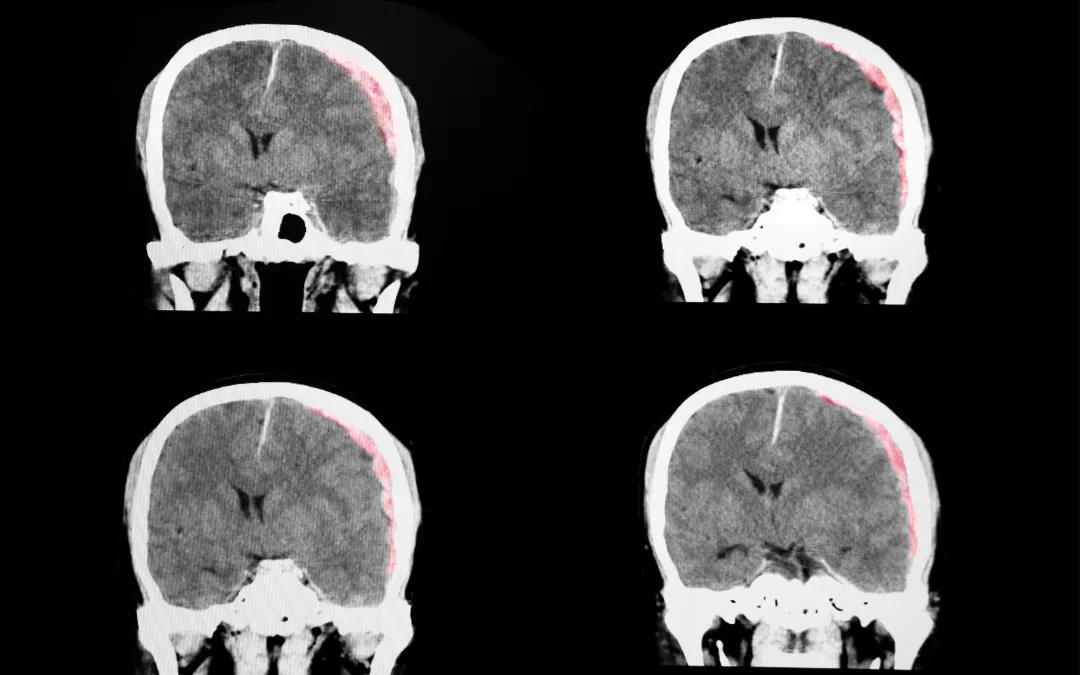
What happens when an accident doesn’t just leave you bruised, but changes your brain, your job prospects, and your entire way of life?
Every year, thousands of Georgians experience this terrifying reality. According to the Georgia Department of Public Health, traumatic brain injuries (TBIs) account for over 30,000 emergency room visits annually in the state. Another grim fact: Georgia ranks in the top 10 U.S. states for TBI-related deaths, with the leading causes being car accidents and falls (CDC, 2023).
Whether it’s from a car crash on I-285, a slip-and-fall in a Fulton County store, or a workplace incident in Savannah, a brain injury can trigger a lifetime of medical costs, emotional strain, and legal uncertainty.
For victims of falls, especially in public or commercial spaces, consulting slip and fall lawyers in GA may be the first step toward securing the compensation needed for long-term recovery.
So what happens if someone takes a blow to the head on the road, at work, or just walking down a grocery aisle in Georgia, and nothing feels the same afterward?
Some recover. Others don’t. Memory slips. Headaches don’t quit. Work becomes impossible. The bills? They pile up fast.
This guide breaks down the process: from spotting the symptoms to building a strong personal injury claim, with Georgia’s laws in clear view.
Table of Contents
What Is a Traumatic Brain Injury?
A traumatic brain injury or TBI can happen fast: a bump, a blow, or a sudden hit to the head. Sometimes you feel fine at first. Then the fog rolls in. Headaches stick around. Focus slips. Moods change. It’s not always traumatic, but it can turn life upside down before you even realize what’s happening.
In Georgia, TBIs are often tied to accidents on the road, at work, or even a simple slip in a store. What makes them tricky? The real damage doesn’t always show up right away
That’s why it’s critical to get checked early and document everything. For both your health and any future personal injury claim, timing matters.
Types of Traumatic Brain Injuries
Here’s a quick breakdown of the main types of TBIs and how they show up::
| TBI Type | Description | Common Symptoms |
| Concussion (Mild TBI) | A jolt or blow that disrupts brain activity; often invisible on scans | Headache, confusion, dizziness, memory loss |
| Contusion | A brain bruise caused by direct impact | Slurred speech, nausea, trouble focusing |
| Coup-Contrecoup | Injury at both the impact site and opposite side of the brain | Vision issues, emotional shifts, confusion |
| Penetrating Injury | When an object breaks through the skull and enters brain tissue | Seizures, bleeding, unconsciousness |
| Diffuse Axonal Injury | Severe damage from rapid shaking or rotation of the brain | Coma, motor skill loss, prolonged unconsciousness |
Lasting Effects of a TBI
Traumatic brain injuries don’t just heal and disappear. Some folks bounce back quickly from a bump to the head, but not everyone’s that lucky. Weeks after the accident, things like memory gaps, sudden mood changes, or trouble staying focused can creep in. For others, it’s even tougher: lost jobs, round-the-clock care, and daily life turned upside down.
A brain injury doesn’t end when the accident does, it can change how a person thinks, works, and lives for years. If someone else’s carelessness caused it, the injured party has every reason to seek justice and the compensation they may need to move forward.
Legal Framework in Georgia
When it comes to traumatic brain injuries and legal action in Georgia, timing and understanding the law are crucial. The state sets a statute of limitations of two years from the date of injury, or from when the injury was discovered, for filing a personal injury claim. Miss the deadline, and the court likely won’t hear your case, no matter how serious the injury.
Georgia also uses a comparative negligence rule. If you’re partly to blame, your compensation drops. Say you’re 20% at fault in a car crash; you’d only get 80% of the total payout.
Under Georgia’s personal injury laws, injured parties can seek damages for medical bills, lost wages, future care, and more. But getting what you’re owed means knowing how fault is proven, and acting before time runs out.
Pursuing Legal Action After a TBI in Georgia
When a traumatic brain injury turns your life upside down, the legal steps you take in the days and weeks that follow matter a lot.
Step 1: Get Medical Help, Fast
Even if the injury seems minor, get checked. With head injuries, the real damage isn’t always visible right away. Getting checked out isn’t just for your health, it’s how you create a medical paper trail, which can be critical later.
Step 2: Write It All Down
What exactly happened? Who was there? Did anyone take photos? Did the police show up? The more you can collect, bills, names, dates, the better. These details can make or break a case.
Step 3: Talk to a Lawyer Early
Not just any lawyer, one who actually understands brain injury cases. You’ll want someone who knows how these injuries unfold and how Georgia’s laws work. They’ll help you avoid common missteps and deal with insurers who may push for a quick, lowball offer.
What Makes or Breaks a Brain Injury Case
When it comes to legal action after a traumatic brain injury, the story has to be backed up. Not just told, but proved.
That means more than just a diagnosis. You’ll need clear records of what happened, who saw it, what doctors said, and how life changed afterward. It’s that mix of detail and documentation that can turn a vague claim into a solid case.
If there were witnesses, get their names. If there’s video, save it. And if symptoms are still showing up weeks later? Bring in specialists who can speak to that.
Here’s what you’ll want in place:
| What to Gather | Why It Matters |
| CT scans, MRIs, doctor reports | Show injury severity and treatment |
| Police or work reports | Pin down what happened, when, and where |
| Witness statements | Back up your version of events |
| Expert opinions | Explain long-term impact and care needs |
All of this builds your credibility, and your compensation.
What Kind of Compensation Can You Expect For TBI in Georgia?
Traumatic brain injuries aren’t just painful, they’re expensive. Recovery might mean weeks off work, long-term rehab, or even a lifetime of care. That’s why Georgia law allows injured people to seek damages for more than just hospital bills.
You may be able to recover compensation for:
- Medical bills, now and in the future
- Lost income while you recover
- Pain, stress, and emotional impact
- Lasting disabilities or major changes to your lifestyle
- Long-term care or changes needed at home
Average TBI Settlement Ranges in Georgia
| Injury Severity | Usual Settlement Range |
| Mild (like a concussion) | $100,000 – $150,000 |
| Moderate | $150,000 – $500,000 |
| Severe | $1 million and up |
Keep in mind, these are ballpark figures. What really shapes the outcome is how serious the injury is, who’s at fault, and how solid your proof is.
Even if all details are similar, two cases can end up with very different results, simply because how they were legally handled.
Final Word
A brain injury doesn’t just end at the ER. It lingers in your routines, your work, your peace of mind. And if someone else caused it, you shouldn’t have to carry the weight alone.
That’s where a good legal team comes in.
Langrin-Robertson Law knows Georgia’s personal injury laws inside and out. They’ve walked this road with TBI survivors and their families before, and they know what it takes to build a case that actually helps, not just settles.
Not sure if you have a case? Start with a conversation. It could make all the difference.
FAQs: Brain Injury Claims in Georgia
How much compensation can you get for a traumatic brain injury in Georgia?
It depends. A mild concussion might bring in around $100k. A severe TBI? You could be looking at a seven-figure settlement. But it’s not just the injury, it’s about how it affects your life, your work, and your future. That’s where a team like Langrin-Robertson Law comes in. They know how to build the kind of case insurers can’t ignore.
What’s the average personal injury settlement in Georgia?
There’s no one-size-fits-all number. Typical Georgia settlements range from a few thousand dollars for minor injuries to hundreds of thousands (or more) for serious ones like TBIs. The real number hinges on medical costs, lost income, and how solid your case is.
How long do personal injury cases take to settle in Georgia?
Anywhere from a few months to over a year. If the injury is serious or there’s a fight over who’s at fault, it takes longer. Langrin-Robertson Law helps clients avoid lowball offers by knowing when to wait, and when to push.
How is pain and suffering calculated in Georgia?
There’s no magic formula. It’s based on how much your. Not for most cases. Medical bills and pain and suffering aren’t capped. Punitive damages, used to punish especially bad behavior, are capped at $250,000, but they don’t apply to every case.