
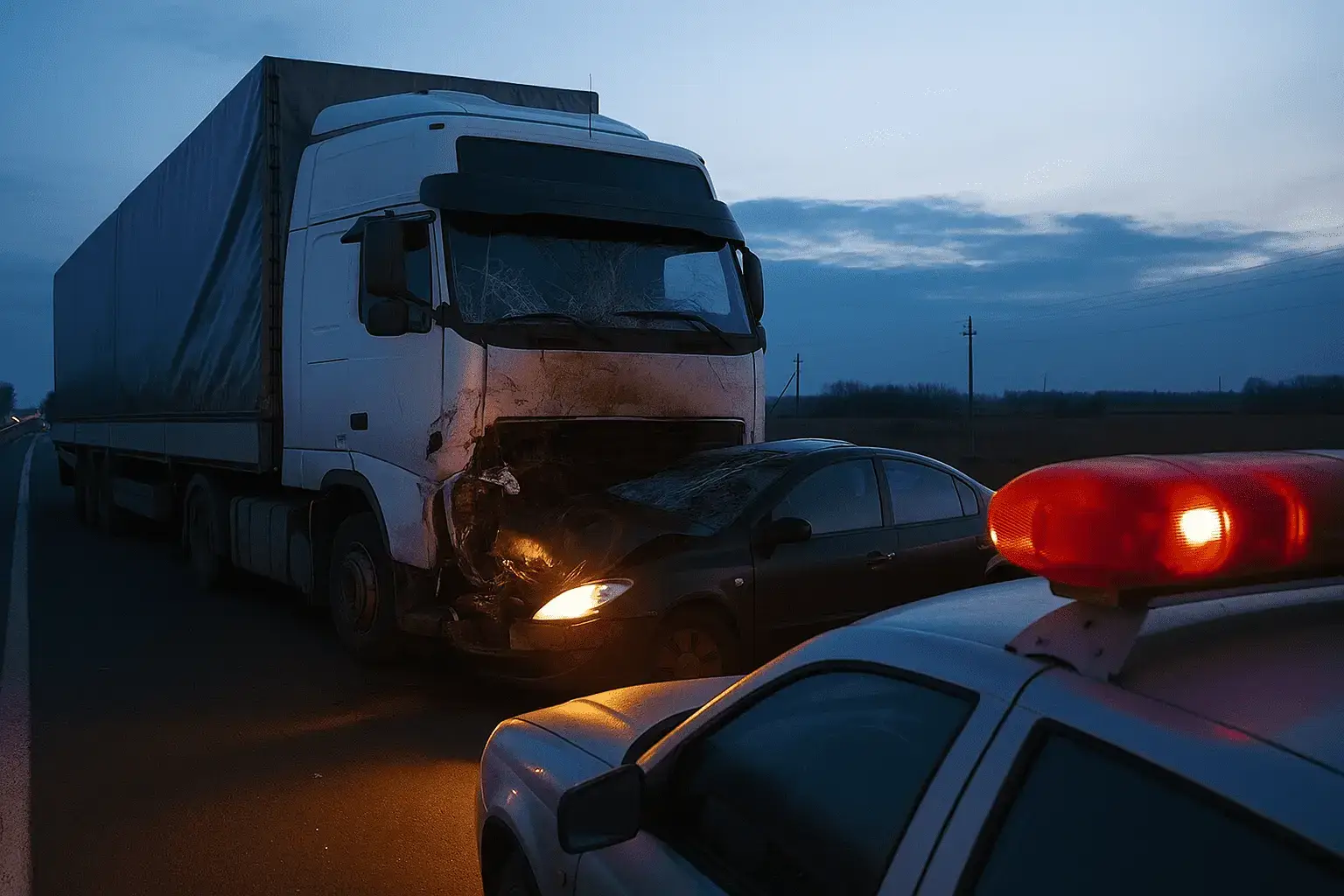
A crash involving a commercial truck can flip your entire life in seconds. Maybe it happened on I‑285, or a sleepy stretch near Snellville, but the aftermath is always the same: flashing lights, totaled vehicles, and a thousand questions swirling in your head. What should you do first? Who’s at fault? And how soon do you need a lawyer?
Unlike standard fender-benders, truck accidents trigger federal investigations and involve multiple insurance policies. Georgia sees over 15,000 commercial vehicle crashes annually, with far higher fatality rates than passenger car accidents.
Trucking companies deploy their investigation teams within hours. Black box data gets downloaded, witness statements collected, and accident scenes documented, all while you’re dealing with injuries and insurance calls.
This guide walks you through exactly what to do after a truck accident in Georgia, based on years of handling these cases. The steps you take in the first 48 hours often determine your entire case outcome.
Table of Contents
What to Do After a Truck Accident in Georgia
A truck accident isn’t like bumping fenders in a parking lot. There’s more paperwork, more people involved, and usually more damage. If you’ve never dealt with one before, the whole process can feel overwhelming.
I’ve helped people through these situations many times. Here’s what you need to focus on first.
Step 1: Call 911 and Stay Safe

First thing: get somewhere safe. If you can walk, help anyone who’s hurt worse than you. Then call 911. You have to report truck crashes in Georgia, plus you’ll want that police report down the road.
When the officer arrives, explain what happened from your perspective. Don’t guess about details you’re unsure of, and avoid saying things like “it was probably my fault.” If EMTs want to check you over, go ahead and let them. Some injuries don’t show up right away.
Step 2: Get Pictures

Take photos with your phone: the cars, the road, any damage you see. Find the truck’s DOT number (usually on the driver’s door) and snap that too.
Get the truck driver’s commercial driver’s license (CDL) and insurance info. Same with any other drivers. If people saw what happened, ask for their numbers. Sometimes witness stories matter more than anything else.
Check if there are cameras around: gas stations, businesses, other cars with dash cams. That footage may get erased within days unless preserved early. Write down where you saw them.
Step 3: Get Checked by a Doctor
Even if you feel okay, go get checked out, same day if possible. Some injuries don’t show symptoms right away, especially head, neck, and back injuries. If you hit your head or blacked out, even for a second, tell the doctor. You could have a concussion or worse.
Seeing a doctor also creates a record. That record connects your injuries to the crash, which helps your case later. If you wait too long, the trucking company might claim you weren’t really hurt, or got injured somewhere else.
Follow through with any medical appointments, therapy, or scans your doctor recommends. Not doing that can hurt your claim too.
Step 4: Don’t Talk to Their Insurance Company Yet
After a serious truck accident, the other side’s insurance team will likely call you fast, and sometimes within 24 hours. They might seem helpful, but they’re not calling to help you. They’re calling to protect their driver, their company, and their money.
Don’t give a recorded statement. Don’t guess about what happened. And don’t agree to anything, no matter how friendly the adjuster sounds. You’re not required to talk to them right away, and you don’t need to sign anything.
Once you have a lawyer, they’ll handle all of that for you. It takes the pressure off and makes sure you don’t say something that can be twisted later.
Step 5: Talk to a Truck Accident Lawyer Early

Truck accidents aren’t like regular car crashes. There are more people involved, more money on the line, and more ways to lose your case if you don’t act fast. Trucking companies know this, which is why they send their legal teams out within hours. You should have someone in your corner too.
A Georgia truck accident lawyer who’s handled these cases before knows what matters most, and what can disappear fast. Maybe it’s the truck’s black box data, or camera footage from a gas station that gets wiped after a few days. Maybe it’s a witness who gave their number but isn’t picking up anymore. The point is, waiting gives the other side a head start.
Talking to a lawyer doesn’t mean you’re filing a lawsuit right away. It just means you’re protecting yourself while you figure things out. A quick conversation with an experience attorney can help you see what your options are, and what not to say to the insurance company in the meantime.
Why Truck Accidents Are Legally Different
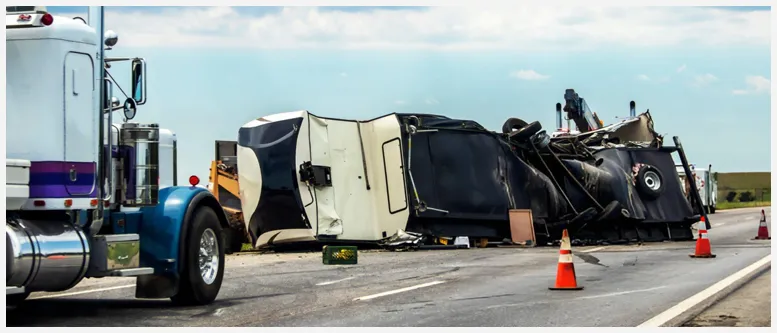
If you’ve been in a crash with a commercial truck, you’re not just dealing with a bigger vehicle, but you’re dealing with a completely different legal process.
For starters, truck accident cases often involve multiple layers of liability. Maybe the driver was speeding or exhausted. But what if their company pushed them past legal driving limits? What if the brakes failed because a third-party shop cut corners? Or the cargo shifted because it was loaded improperly by someone else? These cases rarely point to one person, it’s usually a chain of mistakes.
Then there’s the federal side of things. Truck drivers and companies have to follow strict rules set by the Federal Motor Carrier Safety Administration (FMCSA), like how many hours a driver can work without rest. When those rules are broken, and they often are, that’s a serious liability issue. Texting while driving shows up in more of these cases than you’d think.
Georgia law adds another wrinkle. The state follows a modified comparative fault rule, meaning if you’re found to be 50% or more at fault, you can’t recover compensation. That’s why pinning down what really happened (and who’s truly responsible) isn’t just important, but it’s everything.
To navigate this mess, it helps to have a Georgia personal injury lawyer who understands how both state and federal laws work together, and how to hold the right people accountable.
Evidence That Wins Truck Accident Cases
Truck accident claims are built, or broken, on evidence. And in these cases, the best proof isn’t always visible at the scene.
Most commercial trucks have an onboard data recorder, often called a black box, that tracks speed, braking, and driving hours. This data shows if the driver was speeding or skipping rest breaks. But here’s the catch: unless preserved quickly, that data can be erased or overwritten.
Driver logs, inspection reports, and dashcam footage all tell part of the story, but they’re usually controlled by the trucking company. Witnesses might offer key details, but they’re hard to track down days later.
This is where legal help makes a difference. An expert personal injury lawyer can fire off what’s called a spoliation letter, basically telling the trucking company they have to keep all their records or face legal trouble. Without that, you could lose the very evidence that proves your case.
Your Free Legal Safety Net: Langrin Robertson Law firm
At Langrin Robertson Law, we’ve helped Georgia families through some of the toughest truck accident cases, right here in Snellville and across the state. We know these Georgia roads, the law, and what it takes to stand up to trucking companies and their insurers.
If you’re worried about legal fees, don’t be. We work on a contingency basis, which means you don’t pay us a dime unless we win your case.
Not sure where you stand? A free case evaluation can help you understand your options. Plus, it protects your rights before evidence disappears or deadlines sneak up on you.
FAQs: Truck Accidents in Georgia
What should I do immediately after a truck accident?
First, call 911 and get somewhere safe. Let the paramedics check you out even if you think you’re okay. Take pictures of everything: the cars, the road, damage, the truck’s company info. Get contact details from the driver and anyone who saw what happened. Don’t tell anyone it was your fault, and call a lawyer before you talk to any insurance company.
What does a truck accident lawyer do?
Honestly? They fight the fight you can’t. Trucking companies have teams of lawyers and investigators working against you from day one. A lawyer grabs that black box data before it gets erased, hunts down dashcam footage, collects driver logs and maintenance records. They handle all the insurance company calls so you don’t get tricked into saying something that hurts your case later.
When should I consult a truck accident attorney in Georgia?
Right away. Don’t wait around thinking about it. I tell people to call within the first few days because evidence starts disappearing fast. The trucking company’s already working on their defense, so you need someone working on yours.
Who is liable in a truck accident involving a commercial driver?
Could be a bunch of different people. The driver if they were speeding or texting. The company if they forced drivers to work crazy hours or hired someone with a bad record. Maybe whoever loaded the cargo did it wrong. Sometimes it’s a repair shop that messed up the brakes, or even the city if there’s a dangerous intersection that should have been fixed years ago.
How can a truck accident lawyer help me win my case?
Speed matters here. A good lawyer jumps on preserving evidence right away – sends out letters telling everyone they better not delete anything. They track down security cameras before the footage gets recorded over. When the insurance company tries to lowball you, they know how to push back. And if we can’t settle for what you deserve, they’re ready to take it to court.
Final Thoughts: Time Isn’t on Your Side
Truck accident cases move fast, and that’s bad news for you. Black box data gets erased, surveillance footage is overwritten, and witnesses become harder to find. Meanwhile, Georgia law gives you just two years from the date of injury to file a claim.
The sooner you act, the stronger your case.
Don’t wait until the insurance company is making all the decisions. Get a free case evaluation from Langrin Robertson Law today, and let us help you fight for what you deserve.