
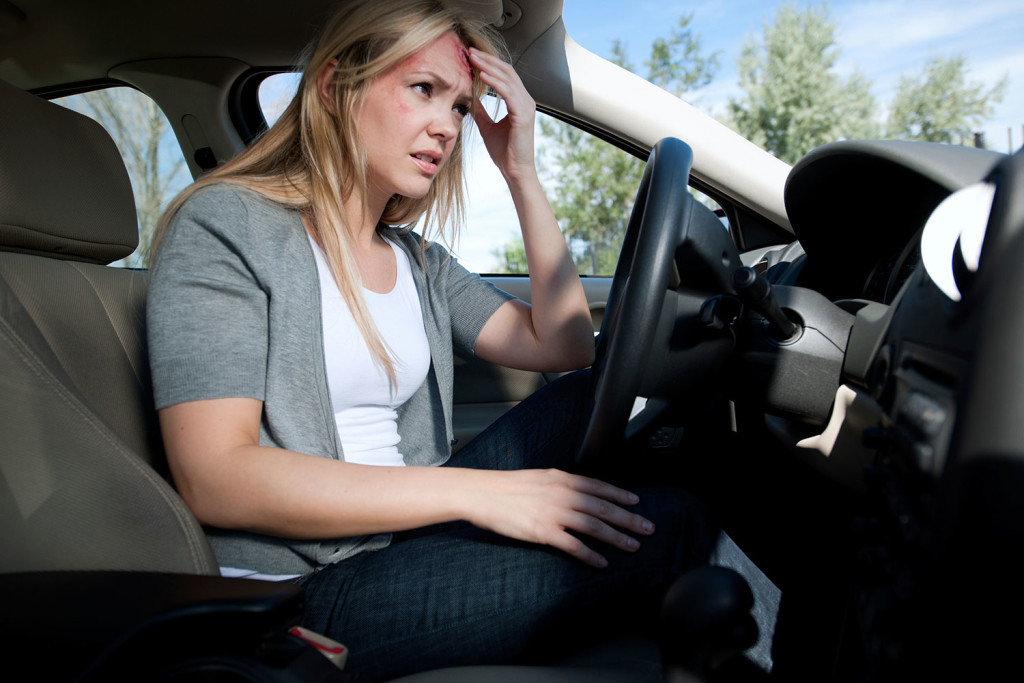
You might walk away from a car accident thinking you’re okay. There’s no bleeding, no broken bones, and you can still talk and move normally. But later that day or even days after the pain starts. A headache won’t go away, your head feels heavy, or you feel dizzy and confused. That’s often when people realize something may be wrong. Suddenly, you’re asking yourself a serious question: how do I know if a head injury is serious?
A car accident head injury is one of the most commonly misunderstood injuries after a crash. Many people assume that if they didn’t lose consciousness or didn’t hit their head hard, they’re safe. In reality, a head injury from a car accident can be delayed, hidden, and far more dangerous than it first appears.
This guide explains how head injuries happen, why symptoms can be delayed, and how to recognize warning signs that require immediate medical care. It also covers what to expect medically and why these injuries are often challenged legally. If you were injured in Georgia, guidance from a Georgia car accident lawyer may also play a role in protecting your future.
Table of Contents
Why Head Injuries After Car Accidents Are Commonly Missed
Car accidents that result in head injuries are often not immediately apparent, as the symptoms may not be evident at first. Immediately after a crash, adrenaline may suppress the feeling of pain and give the impression that you are fine, even though your brain is traumatized. Most individuals concentrate on the physical injuries, such as broken bones or even cuts, and forget that there are other injuries they cannot see.
In certain instances, the brain starts to swell gradually, or small internal trauma will take time to produce symptoms. This is why headaches, dizziness, confusion, or nausea can begin hours or even days after the incident. Another assumption made by people is that if they did not hit their head, they cannot have a head injury. As a matter of fact, that sudden stopping or whiplash may result in the brain banging against the skull and causing injuries without being hit.
The fact that these injuries are concealed and lag in onset means that most individuals do not access medical services immediately, which is why head injuries as a result of car crashes are usually ignored.
Why You Might Not Realize You Have a Head Injury Right Away
After a crash, your body releases adrenaline. This natural response helps you escape danger, but it also masks pain and symptoms. As a result, many people with a head injury after a car accident underestimate their condition.
Brain injuries also develop differently from external injuries. Swelling in the brain can increase slowly over hours or days. Small internal bleeds called micro-bleeds may not cause immediate symptoms and often don’t appear right away on imaging. This is why people sometimes say, “I didn’t even hit my head,” yet later develop serious problems.
Another factor is shock. Emotional and psychological shock can feel similar to neurological symptoms, making it difficult to tell what’s happening. Confusion, dizziness, and nausea may be dismissed as stress when they are actually signs of head trauma from a car accident.
This delay is one of the main reasons head injuries in car crashes are so serious when ignored.
Common Head and Brain Injuries From Car Accidents
There are various types of head injuries, which are mild and very serious, and can result from car accidents. Certain injuries can be cured by rest, and some can transform the life of a person. The most frequent examples of auto accident head injury are:
Concussion (mild TBI):
A car accident concussion interrupts the normal function of the brain, resulting in headache, confusion, light-sensitivity, and problems with memory.
Closed head injury:
This is done when the skull is not broken, but the brain is damaged by sudden motion.
Traumatic brain injury (TBI):
A graver kind of injury that may have long-term effects on cognition, behavior, and physical functionality.
Skull fractures:
This is usually related to a violent effect or impalement.
Diffuse axonal injury (DAI):
It is an injury brought about by acceleration and deceleration, resulting in extensive damage to the brain.
Brain contusions and hemorrhages:
Car accidents can cause bruising or bleeding in the brain. These injuries are serious because pressure can build inside the skull, leading to serious complications if not treated quickly.
Cases such as a brain injury after a car accident are severe cases that may require long-term care, and the quality of life may be permanently altered. Legal and medical facts involved in traumatic brain injuries after a car accident are particularly crucial in such cases.
How to Tell If a Head Injury Is Mild or Severe
Many people ask how to tell if a head injury is serious. While only a medical professional can diagnose severity, there are clear differences between mild and severe symptoms.
Mild Head Injury Symptoms
- Headache
- Fatigue
- Brief confusion
- Dizziness
- Sensitivity to light or noise
Severe Head Injury Symptoms
- Loss of consciousness
- Repeated vomiting
- Seizures
- Memory gaps
- Slurred speech
- One dilated pupil
- Extreme drowsiness or inability to wake
If severe symptoms appear, it is no longer a question of “when is a head injury serious” it already is. Injuries involving the head and neck injuries caused by crashes should never be ignored.
Red Flags That Require Immediate Medical Attention
Some of the symptoms of a car accident head injury are an indication of a medical emergency. As per the generally established medical advice, you must seek medical attention immediately in case you experience:
Worsening headaches
- Repeated vomiting or nausea
- Slurred or slow speech
- Drowsy or confused, to an extreme.
- Unequal pupil size
- Nose or ear discharge of clear fluid.
- Seizures or convulsions
These are typical concussion red flags andsymptoms of head trauma, which can be a sign of bleeding, swelling, or serious neurological damage.
Head Injuries Without Direct Impact
Many people believe you must hit your head to suffer a car crash head injury. That is not true.
Sudden acceleration and deceleration can cause the brain to move violently inside the skull. This is common in rear-end and side-impact crashes. Whiplash can stretch and damage brain tissue even without contact.
People often report a headache after being rear-ended, dizziness, or confusion despite saying, “My head never hit anything.” This is still a legitimate motor vehicle accident head injury, and symptoms should be taken seriously.
Sleeping After a Head Injury or Concussion
A common fear is whether it’s safe to sleep after an injury. The answer depends on symptoms.
In mild cases, sleeping after a concussion is usually safe once a medical professional has evaluated the patient. However, sleep can be dangerous if symptoms are worsening or if a person has not yet been checked.
Doctors may recommend a 24-hour head injury protocol, which involves waking the injured person periodically to monitor responsiveness. This helps detect early signs of brain swelling or bleeding.
If you are unsure, asking if you can go to sleep after you hit your head should always result in medical guidance, not guesswork.
How Crash Force and Vehicle Damage Affect Head Injuries
Crash severity plays a major role in injury risk. Head-on collisions, rollovers, and high-speed crashes increase the likelihood of severe trauma. Airbag deployment, intrusion into the cabin, and a totaled vehicle often indicate strong forces involved.
A head-on collision injury or rear-end accident head injury may look minor externally, but still cause serious internal damage. Understanding what it means when a car is totaled can help explain why symptoms appear even when injuries are not visible.
When Emergency Care Is Necessary
You should go to the emergency room immediately if there is loss of consciousness, worsening symptoms, or confusion. Many people wonder when to do a CT scan after a head injury. Doctors base this decision on symptoms, age, medical history, and neurological exam results.
In the ER, people often ask what the ER does for a concussion. Typically, doctors perform neurological exams, monitor symptoms, and order imaging when necessary. CT scans may be delayed to avoid unnecessary radiation, especially in younger patients, unless red flags appear.
Delayed Head Injury Symptoms After a Car Accident
Some of the most dangerous symptoms appear days or weeks later. This includes post-concussion syndrome, delayed bleeding, and swelling on the brain after a car accident.
A post traumatic head injury can cause long-lasting headaches, memory problems, sleep disturbances, and mood changes. These delayed head injury symptoms are often misunderstood and dismissed, even though they can significantly affect daily life. Follow-up care is critical, especially if symptoms worsen over time.
Insurance Challenges With Serious Head Injuries
The car accident head trauma claims are mostly contested by insurance companies since the injuries cannot be seen. They may argue:
- It has no objective evidence.
- Symptoms appeared too late
- The accident has nothing to do with the injury.
- The effects are exaggerated
This is more so with TBI car accident claims. To fight back against these tricks, good medical records are necessary. Knowing what insurance companies do not tell injury victims what would help you to avoid false denials of claims.
When Legal Help May Be Necessary
If symptoms persist, affect your ability to work, or result in long-term impairment, speaking with an Atlanta personal injury attorney may be appropriate. Legal guidance helps ensure medical care, wage loss, and future needs are properly considered especially when insurers minimize serious injuries.
Conclusion
A head injury from a car accident is not always obvious, immediate, or visible. Delayed symptoms, mild early signs, and lack of external injuries often cause people to underestimate serious trauma. Ignoring these injuries can lead to long-term consequences that affect health, work, and quality of life.
Medical care protects your brain. Documentation protects your future. When needed, guidance from a Lawrenceville car accident lawyer can help ensure your injury is taken seriously, and your recovery both physical and financial is not left to chance.
If you or a loved one is dealing with symptoms after a crash, trust your instincts. When it comes to head injuries, waiting can be the most dangerous decision of all.