
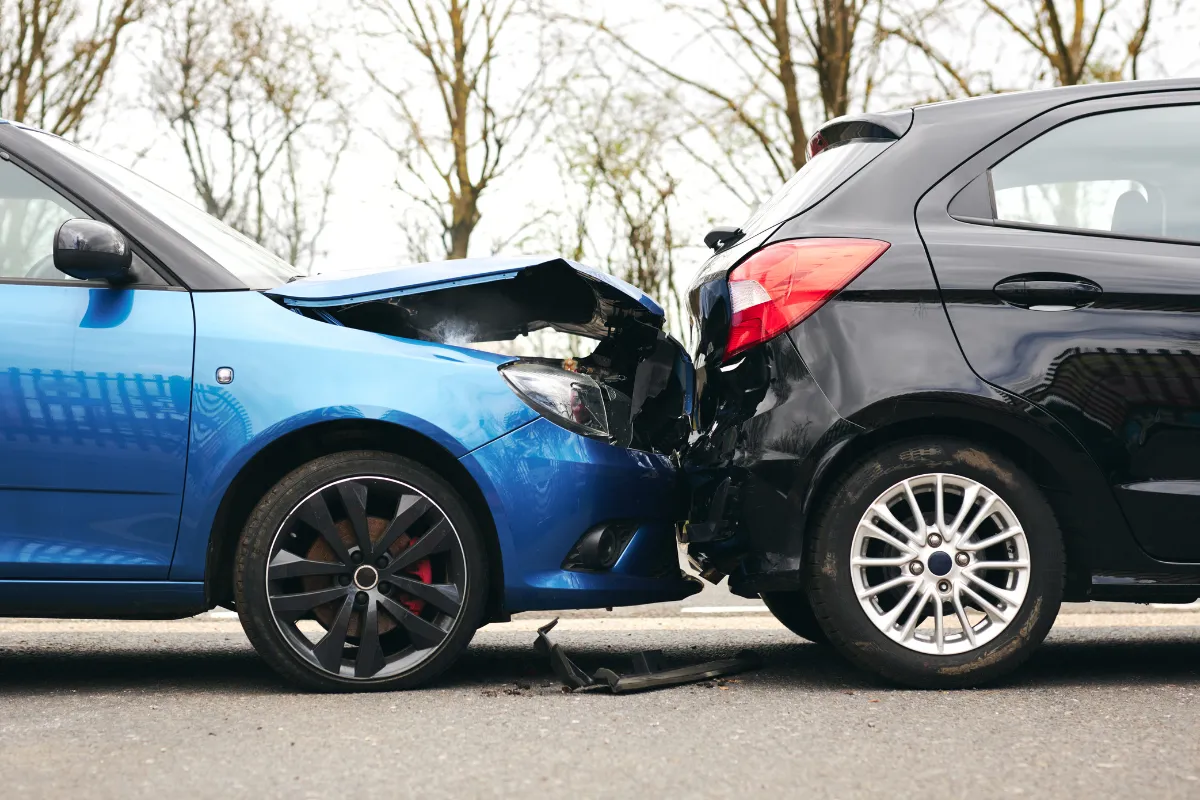
Rear-end collisions are the most common type of car accident in Georgia—and across the U.S. In fact, according to the National Highway Traffic Safety Administration (NHTSA), nearly one-third of all traffic crashes are rear-end collisions. They often happen in seconds—at traffic lights, in slow-moving lanes, or during sudden stops—and they leave victims dealing with injuries, vehicle damage, and insurance headaches.
Not sure what to do after a car accident? Start by understanding how fault is determined in Georgia and what steps can protect your legal rights.
Most people assume the driver in the back is always at fault. In many cases, that’s true. Georgia law expects drivers to maintain a safe following distance and stay alert. But the rear driver isn’t always to blame. Georgia law makes room for exceptions—like when the lead driver stops suddenly without warning or has malfunctioning brake lights. These details can shift legal responsibility in ways most drivers don’t expect.
If you’ve been rear-ended in Georgia, and you’re wondering what to do when you get in a car crash in Georgia, here’s what the law says, what factors really matter when assigning fault, and what steps you should take right away..
Table of Contents
Who’s At Fault in a Rear-End Crash in Georgia?
In most cases, it’s the rear driver. Georgia law expects every motorist to keep a safe distance. If you hit someone from behind, odds are the blame falls on you.
But it’s not always that simple.
If the lead driver is found to be 20% responsible—say, due to sudden braking or malfunctioning brake lights—they can still recover damages, but those would be reduced accordingly. If they’re more than 50% at fault, they can’t recover anything at all.
Georgia’s modified comparative fault system means both drivers could share blame—and the payout adjusts with it.
When the Front Driver Might Be at Fault?
While rear drivers are usually blamed, that’s not always fair. Georgia law makes room for exceptions.
Here’s when the front driver might be liable:
- Stops suddenly without reason
- Brake lights aren’t working
- Reverses into another car
- Turns without signaling
- Stalls in traffic without pulling over
Example: A driver slams on the brakes for no clear reason on a green light. The rear driver hits them. If there’s dashcam footage, the fault may shift partially—or even fully—to the lead driver.
Proving Fault in Rear-End Collisions
Police officers who respond to the scene will usually write a report assigning blame—often pointing to the rear driver. But that report isn’t the final word.
Fault can shift depending on what the evidence shows. Dashcam footage, surveillance video, and eyewitness accounts often tell a different story. Sometimes, the rear driver was trying to avoid a hazard or the lead car had no working brake lights.
Photos taken at the scene—tire marks, vehicle positioning, debris—can help recreate what really happened. And modern vehicles store useful data, like how fast a car was going and whether the brakes were applied before impact.
If you’re involved in a rear-end crash, collecting this evidence early matters. Whether it’s a minor fender-bender or a serious crash, knowing what to do after a car crash in Georgia can protect your rights and strengthen your case.
Georgia’s Modified Comparative Fault Rule
Getting rear-ended might seem like a clear-cut case—but in Georgia, liability isn’t always that simple. The state follows a modified comparative fault rule: if you’re less than 50% at fault, you can still recover damages—just not the full amount. Your compensation gets reduced based on your share of the blame.
Let’s say you were rear-ended but had a brake light out. If a court finds you 20% at fault, and your damages total $10,000, you’d receive $8,000. But if you’re found 51% or more at fault, you can’t recover anything under Georgia law.
Bottom Line
In rear-end collisions the rear driver usually gets blamed—but not always 100%. Sudden stops, dead brake lights, or unsafe lane changes by the front driver can shift some blame their way. If you’ve been involved in an auto accident in Georgia, the details surrounding fault could impact your injury claim more than you expect.
What to Do Right After a Rear-End Crash
Wondering what to do when you get in a car crash? The minutes after an accident matter. Here’s what to focus on:
1. Check for Injuries
Make sure everyone’s okay. Call 911—even for minor crashes. You’ll want a police report on file.
2. Snap Photos
Get your phone out and photograph everything. Car damage (focus on the front and back), skid marks, nearby traffic signs, road conditions. Weather and lighting too—these details matter.
3. Swap Details
Get names, numbers, insurance info and license plates from everyone involved. If someone saw what happened, grab their number—witnesses can make or break your case.
4. Be Careful What You Say
Remain courteous, but avoid discussing fault at the scene. Statements like “I didn’t see you” or “I couldn’t stop in time” can seriously undermine your claim later.
5. Seek Medical Attention
Even if you feel uninjured, get a medical evaluation promptly. Rear-end collisions commonly cause delayed symptoms, particularly whiplash and back injuries. Traumatic Brain injuries can also be subtle but serious. Waiting to seek treatment can both harm your health and weaken your claim.
When to Call a Lawyer After a Rear-End Crash in Georgia
Not every crash needs legal help. But if you’re hurt, blamed unfairly, or facing pushback from insurance, it’s time to talk to an attorney.
Injuries That Don’t Go Away
If the pain lingers or you’ve missed work or medical appointments, don’t wait. Neck or back pain that lingers isn’t something to brush off. If you’re still sore days later or struggling to work or sleep, it’s time to get legal guidance.
Blame Is Being Shifted
Rear-end crashes often seem simple—but not always. If the other driver claims you stopped short or had faulty lights, your side of the story needs backing.
The Insurance Company Isn’t Playing Fair
Stalling, low offers, or shifting the blame are all signs the insurer isn’t looking out for you. An attorney knows how to push back.
Important Details Can Slip Away
Dashcam video, security footage, or witness names can disappear quickly. So can small errors in the police report—if they’re not corrected, they can hurt your claim.
There’s a Deadline
In Georgia, you’ve got two years to file. But the longer you wait, the harder it gets to build a solid case. Acting early gives you options.
FAQs About Rear-End Collisions in Georgia
What is the rear-end law in Georgia?
In most cases, the driver who hits another from behind is considered at fault under Georgia law. That’s because drivers are expected to keep a safe following distance. But there are exceptions—like if the front driver brakes suddenly without reason or has broken tail lights.
What is the average payout for a rear-end collision in Georgia?
It really depends. Minor accidents might settle for $10,000 to $20,000. But if there are serious injuries or long-term medical costs, payouts can go well into six figures. Every case is different, so it’s best to speak with a lawyer.
Is Georgia a no-fault state for car accidents?
No. Georgia is an at-fault state. That means the driver who caused the crash is responsible for covering damages—medical bills, car repairs, lost wages, and more.
Can you sue for a car accident in Georgia?
Yes, you can. If you were hurt or suffered losses because of someone else’s negligence, you have the right to file a claim or lawsuit. Just make sure to act within Georgia’s two-year deadline for injury claims.
I got rear-ended—how much money will I get?
There’s no one-size-fits-all answer. It depends on how badly you were hurt, how much work you missed, and what your medical bills look like. Insurance companies look at all that. A lawyer can help make sure you don’t settle for less than what your claim is worth.
Final Thoughts
Rear-end accidents might seem simple, but the law often isn’t. If you’re unsure what to do after a car accident or worried that fault is being shifted unfairly, don’t guess your way through it. Reach out to Langrin-Robertson Law, your local legal team, for clear answers and real support when it matters most.